

VOL. 10
The Black Movement in Panamá: A Historical and Political Interpretation, 1994–2004
George Priestley & Alberto Barrow
In the years following the 1989 U.S. invasion of Panamá, there was an observable increase in racial discrimination, overt racist practices, and social disparity on the Isthmus of Panamá, the consequence of the defeat of the popular forces, the embrace of neo-liberalism by wide sectors of the political and economic class, and the disarray of the Black Movement. During this decade Afro-Panamanian groups and popular organizations had to adjust to the post-invasion political and economic environment dominated by the so-called transition to democracy, accompanied by the implementation of neo-liberal policies by the white political elite in the governmental and opposition parties. This article seeks to address the challenges and opportunities for mobilization faced by the Black Movement since the 1989 invasion and particularly in the decade 1994–2004.
The Black Movement, coordinated by the National Coordinating Committee of Black Panamanian Organizations (Coordinadora Nacional de Organizaciones Negras Panameñas), as), is quite heterogeneous. It consists of social and cultural groups, lodges, civic and community organizations, including Rastafarians, women groups, youth organizations, and several religious denominations, particularly Muslims, Protestants, and Catholics. At present it faces difficult challenges related to its autonomy, growth, and sustainability. These are complex issues, requiring complex solutions; nevertheless, since 1999 the Black Movement has gained more visibility and made significant strides towards greater unity. However, it must do more to address issues of growth and autonomy. For example, in order to grow beyond its Black middle class constituency, the movement must address the effects of neo-liberal policies on the country’s poor and Afro-descendants, who struggle everyday with rising unemployment, lack of adequate and affordable housing, rising cost of public utilities and transportation, rising crime rate and personal insecurity, a badly broken criminal justice system, and racial, gender, and sexual stigmatization and exclusion. [1] The Black Movement cannot grow without placing these items on its agenda, and when it does it must do so independently of political parties in order to preserve its autonomy, credibility, and effectiveness.
In a 1997 article we observed that ‘‘ . . . there is a need for the revitalization of the Black Movement, which played a significant role in the 1970s during the Torrijos period.’’ [2] We further recommended that the ‘‘...movement must join with women’s groups, human rights organizations, indigenous groups, and labor organizations in the building of a strong popular movement.’’ [3] But rather than move in this direction, the Black Movement (particularly after Durban 2001) has organized to lobby for governmental implementation of anti-racist laws and for Black inclusion in the making of public policy, leading some of its activist leaders to privilege party politics and its web of clientelistic relations, which endangers the autonomy, credibility, and effectiveness of the Black Movement. [4] We will examine these and other challenges within the period 1994–2004, paying particular attention to the Black Movement’s relation to the Democratic Revolutionary Party (Partido Revolucionario Democrático; PRD). But before we do so, it is important to provide a brief description of the Black experience in Panamá during and after the colonial period.
Aspects of the Black Experience in Panamá
Trabajar como negro, or to work as hard as a Black person, is often heard in the streets of Panamá. While this phrase is used to disparage Black people, it reflects the historical role of Black labor in Panamá’s economy. Since the arrival of Spanish colonizers in the 16th century, Black labor has been central to the growth and development of the isthmian economy. Panamá’s colonial and post-colonial economies were built on the backs of Black slaves brought to the isthmus from Africa, the Iberian Peninsula, and other Spanish colonies. As forced labor, they played a key role in the emergence of the service-oriented isthmian economy, moving goods and services from the Pacific to the Atlantic side of the country, where the Spanish Crown organized commodity exchanges with its Latin American colonies at Portobelo on the Atlantic end of the isthmus. Leslie Rout informs us that at the end of the colonial period in 1789 Panamá City had 35,920 residents, 22,504 of whom were Black slaves. [5] However, the percentage of free Blacks in Panamá City jumped from 7.8% of the population in 1575 to 65% by 1794. [6]
Although slaves and their progeny resisted slavery and oppression under Spanish colnialism and during the first part of the 19th century under Colombian rule, the Black population, so-called Negros Coloniales, were eventually assimilated into the country’s mainstream, and for the most part occupied and still occupies positions at the very bottom of the socio-economic ladder. [7]
Black labor and foreign capital were also central to the modernization of the Panamanian economy during the hundred year period (1850–1950) following independence from Spain in 1823 and emancipation from Colombia in 1903. This time it was contract labor from Jamaica that built the Panamá Railroad in the 1850s, followed by tens of thousands of English and French speaking West Indians who worked on the French canal enterprise in the 1870s and 1880, and who built the Panamá Canal (1904–1914) and maintained it during most of the 20th century. These workers and their families, brought to Panamá to work on the Panamá Canal, the 50-mile waterway and its 500 squares mile of adjacent territory, remained under U.S. jurisdiction during the construction period. [8] However, many, unable to find employment and housing in the U.S.-controlled Canal Zone, trickled into equally segregated spaces in the terminal cities of Panamá and Colon, inhabiting the overcrowded tenement buildings of Colon City on the Atlantic and the popular neighbor- hoods of El Chorrillo, Calidonia, San Miguel, and Guachapalí on the Pacific end of the Canal. [9]
‘‘Impressions’’ 2006 © Anya Dennis.
Unlike colonial Blacks who assimilated into the social fabric of Panamanian society mostly as second-class citizens, Antillean or West Indian Blacks, despite many decades on the isthmus, were largely constructed by Panamanian elites as perpetual foreigners beholden to the British and to the Americans; as ungrateful ‘‘guests’’ who were reluctant to embrace Hispanic culture; as foreign to the body politic and hence, unpatriotic and undesirable. The truth, however, is that these immigrant workers and their progeny were caught in the middle of an unequal power struggle between a less than sovereign Panamanian nation in search of its identity and an emergent regional and global power, namely the United States. [10]
Despite being present in Panamá in significant numbers since 1850, West Indians and their offspring were racially segregated in the Canal Zone by the United States until the 1960s, had weak to no claims to Panamanian citizenship until the late 1940s, and were explicitly erased from the nation in 1941 by racist constitutional changes introduced by the Arnulfo Arias government. [11] Although racial segregation and Jim Crow policies in the Panamá Canal Zone suffered a fatal blow with the passage of the 1977 Carter-Torrijos treaty, racial discrimination and white racism continues to proliferate in the sovereign Republic of Panamá in the 21st century where Panamanians of Antillean or West Indian descent are seen as the only Blacks in the country and constructed as alien citizens. [12]
Panamá’s Racial Paradigm:The Rainbow Society (or Crisol de Razas) [13]
Racism Panamanian style denies the existence of racism, as is the case in many Latin American countries. Instead it portrays Panamanian society as a perfect rainbow society (crisol de razas) of Spanish speakers, where whites, natives, and Blacks of colonial origins seamlessly mesh as one nation. [14] Under this racial system the only persons identified as Blacks are people of West Indian descent with English surnames. This system is designed to separate the Black population into two categories: those with Spanish sounding surnames of colonial origins (colonials) and those with English-sounding surnames of Caribbean ancestry, the latter referred to as Antillanos or Chombos. [15] The notion of the rainbow society or crisol de razas, buttressed by the imposition of these categories, promotes racial mixture and racial ambiguity, minimizes the presence of Blacks in the nation despite the fact that the University of Panamá’s Institute of DNA and Human Genome of the concluded that 33 percent of Panamanians have ‘‘Black’’ genes as com- pared to 38 percent with ‘‘Indian’’ genes, and a very small percent with ‘‘white’’ genes. [16] The system also promotes the idea of whitening and racial harmony, and makes it difficult to establish a unified racial agenda that includes the concerns and interests of all Black and brown Panamanians.
Latin American racial order, including crisol de razas, differentiates itself from that of the United States by stressing racial integration and racial harmony along what Richard Telles calls the horizontal axis. What is usually absent from this discourse is the racial ranking and racial inequality found along what he calls the vertical axis, the location of class inequality and white supremacy. [17] Like racial discourses and practices in other countries, Panamanian racism is an integral part of an historically specific system of class/gender/racial exploitation and oppression. It is anchored in the patriarchal- oligarchical=capitalist control of the country’s economy and the media by a white or near-white minority; it is racism rooted in hundreds of years of Black oppression and exploitation in immigration policies, [18] and is evident in the nation’s cultural, political, social, and economic institutions. In the years following the U.S. invasion it has resurfaced and flourished as a result of neo-liberalism.
Nevertheless, there have been two periods, dominated by military strong men, where overt racial discrimination was addressed by government authorities in Panamá. In the first period, 1946–1952, Antillean Panamanians regained citizenship rights as a result of the 1946 constitutional reform and subsequent policies of President Jose ́ Antonio Remón Cantera. [19] Their disenfranchisement had its roots in the constitutional reform of 1941, when English-speaking Blacks were explicitly excluded from citizenship (as is the case today in the Dominican Republic, with Dominicans of Haitian origins). In that year, Dr. Arnulfo Arias, a Harvard-trained physician, assumed the presidency after spending several years in Hitler’s Germany. He then sponsored and approved a constitution that prohibited the immigration of Blacks and Chinese to Panamá, and violated the civil rights of members of these groups already living in the country by denying them permanent residency, citizenship, or property rights unless they [20] could demonstrate a command of the Spanish language and knowledge of Panamanian history. [21]
Taking advantage of popular uprisings against President Arnulfo Arias and of intra- oligarchical squabbling caused by U.S. disapproval of the president’s nationalist rhetoric, West Indian institutions—churches, lodges, beneficent societies, and civic groups—led by George Washington Westerman (1910–1988) successfully organized to acquire citizenship and the right to vote in 1952, and in 1956 lobbied for the passage of the Heurtematte bill, Panamá’s first anti-discrimination statute. [22]
The second period in Panamá’s political history when racism was attenuated took place during the military dictatorship 1968–1981 when General Omar Torrijos Herrera sought to legitimize his military regime by seeking support from all social groups for his populist-nationalist project. Organized groups of Antillean Panamanian at home and in the United States joined labor, peasant, and student groups in their support for the Torrijos government’s Canal negotiations with the United States, particularly in the years 1973–1977. [23] In previous works we have argued that it is in these two periods that the modern Black movement, largely led by West Indians and Panamanians of West Indian descent, emerged and developed. We have further argued that at the core of the movement was/is the struggle for citizenship and socio-political inclusion, which required and still requires extensive negotiations of cultural, ethnic, racial, class, and national identity, particularly with party and state actors who perform as gatekeepers. [24]
Racial Mobilization During the Omar Torrijos Era: 1968-1981
Panamanians of West Indian descent played a modest but important role in the negotiation and ratification process of the Torrijos-Carter treaty25 and in the recuperation of national sovereignty, and within the first five years of military rule they formed new organizations, some transnational, to secure full citizenship. It was within this new political environment of military led populism and nationalism that racial discrimination and racism was weakened in Panamá as progressive and Black groups emerged to gain greater visibility, challenged racial stereotypes, and forged transnational bonds.
While in the 1960s Panamanians of West Indian descent eschewed racial and ethnic representation in favor of nationalist politics, in the 1940s and 1950s they effectively mobilized around race and ethnicity to secure citizenship and political participation. By the mid-1970s they had returned to ethnic/racial mobilization to combat discrimination and to gain visibility and political participation. These efforts were led by community and political organizations in Panamá as well as in the United States. In Panamá the National Union of Panamanians (Unión Nacional de Panameños) UNDEP; Black Panamanian Recovery Action Group, (Acción Reinvíndicadora del Negro Panamáneño, ARENEP), the Association of Professional, Workers, and Leaders of Black Ancestry (Asociación de Profesionales, Obreros, y Dirigentes de Ascendencia Negra, APODAN), and The Twelve (Los Doce) had the greatest impact and visibility. They all drew their base of support from the predominantly Antillean/West Indian communities of Rio Abajo, Parque Lefevre, and Colón and espoused a race-first agenda. [26] On the other hand, the Black Panamanian Queen Contest (Panameñisima Reina Negra) and the Congress of Black Panamanians (Congreso del Negro Panameño), two organizations with leadership affiliation to GUAY-CUCHO-NIR, a leftist university-based group, linked race and class discourses in an attempt to reach beyond the Antillean community to establish a dialogue with popular sector organizations engaged in progressive and transformative politics. [27] Although their political and ideological focus was dissimilar, these organizations drew support from the relatively small diasporic Afro-Panamanian community in the United States, largely found in Brooklyn during this period.
In 1974 the National Conference of Panamanians (NCOP), a Brooklyn-based Afro- Panamanian political organization, emerged to embrace the Torrijos regime in the hope that the government would grant the absentee ballot to the small but growing number of Panamanians residing in the United States. [28] Thus, the Torrijos military government, realizing the impact that Afro-Panamanians could have on Black public opinion in the United States, actively engaged the organization’s support for the ‘‘. . .nationalist struggle for the recuperation of the Panamá Canal and Panamanian sovereignty.’’ [29]
Motivated by their desire to affirm their citizenship rights in Panamá and having been directly influenced by the civil rights movement, Afro-Panamanians in the United States, and to a lesser degree in Panamá, challenged the extant racial paradigm of crisol de razas, and mobilized around ethnic=racial issues. Many diasporic Afro-Panamanian U.S. residents argued that Antillean-Panamanians in Panamá had negotiated away their ethnic and racial identity to acquire recognition as Panamanian nationals. Afro-Panamanian in the diaspora rejected the traditional concept of the mono-cultural and monolingual Panamanian nation-state, and instead proposed a more inclusive concept of the nation- state, where Afro-descendants, Blacks, Antillean-Panamanians, and indigenous peoples would have their rightful place of full citizenship. [30]
Notwithstanding these efforts, the racial ideology embedded in the notion that Panamanians comprise a crisol de razas prevailed in Torrijos’s Panamá, and while the regime can take some credit for attenuating discriminatory discourses and practices against Antillean- Panamanians and colonial Blacks, it continued to equate the national culture with cultural symbols and practices emanating from the White-Mestizo region of Azuero, particularly from the province of Los Santos. [31] All other cultural symbols and practices, for example those of the Congo (African-derived) from the provinces of Colon and Darien, were seen as mere additions to the national culture. Despite the regime’s valorizing of white or Mestizo cultural symbols, Afro-Panamanians, particularly those of Antillean descent, affirmed their cultural and racial identity during the military rule of Omar Torrijos.
The tragic and untimely death of Omar Torrijos in 1981 set in motion significant economic, political and social arrangements that affected the life chances of brown and Black Panamanians. First, the Torrijos ‘‘interventionist’’ state that had brokered the populist- nationalist alliance and eased social and racial tensions was replaced by Manuel Antonio Noriega’s (1981–1989) embrace of the politics of structural adjustment agreements, national security, and confrontation with the United States. These contradictory policies strengthened the commercial and banking sectors in Panamá while subordinating and demobilizing the popular forces, which as a result were unprepared for the U.S. Low Intensity Conflict of 1987–1989 and invasion of December 20, 1989. [32]
Second, a disproportionate number of those who were affected economically by Noriega’s structural adjustment policies, and who lost their homes and lives because of the U.S.’s Low Intensity Conflict and invasion were from El Chorrillo, Colón, and San Miguelito, communities whose residents are predominantly Black and brown. Third, in spite of the many volumes that have identified Manuel Noriega’s alleged drug-trafficking, the restoration of democracy in Panama, and the protection of the Panamá Canal as motives for the U.S. invasion, [33] it is clear that the Low Intensity Conflict, followed by ‘‘Operation Just Cause’’ (a massive military aggression), was prompted by several geo- political factors: [34] These include the need for greater U.S. control, albeit indirect, of the Panamá Canal and retention of military bases in Panamá; for more reliable partners in Panamá who would completely support U.S. counterrevolutionary policies in Cuba and Central America (particularly in Nicaragua); for a regime that would be based on party politics rather than a problematic military regime aligned with a weakened but nationalistic popular movement, protective of Panamanian sovereignty and supportive of transformational change in the region. [35] Hence, in order to obtain these immediate objectives, the United States not only removed General Noriega, but also abolished the Panamanian Defense Forces and crushed the popular movement, creating conditions for the consolidation of a right of center party system and the growth of an economy based on neo-liberal policies that have exacerbated socio-economic inequalities and increased racial/ethnic exclusion of Afro-Panamanians.
The Politics of Neo-liberalism and Popular Protests in the Post-Invasion Period
What does neo-liberalism mean in post-invasion Panamá? [36] It means ridding the country of the last vestiges of economic and social reforms of the 1970s and replacing them with the structural adjustment agreements of the 1980s, followed by the shock-therapy market reforms of the 1990s; it means privatization and a flexible labor code to replace the already modified 1972 Labor Code [37]; it means removing all barriers to imports and promoting economic growth through the signing of Free Trade Agreements and promoting the export capacity of an already oversized tertiary dependent economy, which has proven capable of simultaneously generating relatively high economic growth rates and increased poverty. Most of all it means the massive transfer of wealth from labor to capital, policies that negatively impact the life opportunities of the Panamanian Black and brown majority. [38]
The implementation of the neo-liberal polices of the 1990s got off to a slow start because the government of President Guillermo Endara, paralyzed by its lack of legitimacy, internal divisions, and problems of governance, [39] was unable to fulfill the directives from Washington and from the international financial institutions to privatize major state-owned firms, reform the labor code, or downsize the public sector. [40] These tasks were undertaken from 1994–2004 and beyond by Presidents Ernesto Pe ́rez Balladares of the Revolutionary Democratic Party (Partido Revolucionario Democrático or PRD); by Mireya Moscoso of the Arnulfista Party and by Mart ́ın Torrijos Espino, son of the late General Omar Torrijos and founder of the PRD.
The PRD was founded by General Omar Torrijos in the late 1970s as part of an agreement with U.S. President Jimmy Carter to return the National Guard to the barracks and establish the basis for a transition to democratic rule. It provided support to the military government of Manuel Antonio Noriega during the 1980s, and reconstituted itself as a center-right party in the early 1990s under the leadership of Ernesto Pérez Balladares, a Wharton School of Finance graduate who had previously served under the military governments in the 1980s.
Ernesto Pérez Balladares, elected in 1994 to succeed the unpopular and illegitimate administration of President Guillermo Endara, successfully implemented far-reaching neo-liberal policies during his 1994–1999 presidential tenure. [41] For example, he introduced flexible labor policies and privatized telecommunications, railway, and ports and part of the electrical utility, totaling over $1.3 billion dollars for the state. [42] This led Felipe Rodriguez of the Panamanian Association of Business Executives (APEDE) to comment that ‘‘the present government has implemented drastic changes to bring Panamá into the world economy. Previous governments let a lot of time pass without taking the necessary measures, so now we have had to do it in a shock way to catch up.’’ [43]
Popular Protests Against Neo-liberal Reforms
The Pérez Balladares–PRD reforms led to persistently high unemployment rates, reaching 13 percent; devastating poverty rates of 38 percent, and extreme poverty rates of 20 percent, [44] numbers that provoked widespread popular protest throughout Pérez Balladares tenure that challenged the neo-liberal paradigm and the governments that imposed it. For example, as early as 1995 SUNTRACS, the combative left-wing construction union, led the opposition to the labor reforms while the Colon Unemployed Movement (MODESCO), the Colon-based movement of unemployed people (made up largely of Afro-Panamanian men and women), carried out repeated protest against the reforms and for temporary government jobs to alleviate the extremely high unemployment rate in the Province. In as much as MODESCO membership and leaders were Afro-descendants, including in their membership the twice-deported Colombian-born Luis Ladeautt, it did not mobilize on the basis of race. [45]
If nothing else, popular protests throughout Pérez Balladares presidency prevented the privatization of the water and sewage system in 1998 and led to such discontent that the PRD’s Martín Torrijos Espino lost the 1999 presidential elections to Mireya Moscoso, the first woman to be elected to that post and wife of three-time president Arnulfo Arias Madrid, historical nemesis of Antillean/West Indian Panamanians.
The National Movement in Defense of Sovereignty (MONADESO), a popular organization of students, peasants, human rights activists, and indigenous peoples, created in 1998 to oppose Pérez Balladares’ policies, observed that Moscoso’s program was merely a softer approach to neo-liberalism. Though her program called for public spending of $2.1 billion dollars in 2001–2004 for social projects to mitigate poverty [46] by all accounts her government failed to repay what she called the ‘‘social debt’’ or to significantly reduce social inequality, reduce poverty, or advance the neoliberal agenda; instead it was beset by widespread charges of corruption and ineptitude, charges that opened the door for Martin Torrijos’ (of the PRD party) election to the presidency in 2004.
The high point of Mireya Moscoso’s presidency occurred on December 31, 1999 when she presided over the transfer of the Panamá Canal as dictated by the 1977 Carter–Torrijos treaty—a treaty that both she and her party had vehemently opposed. Besides approving a 2000 presidential decree that established Black Ethnicity Day (Día de la Etnia Negra—30 de mayo), and the anti-discriminatory Law 16 of April 10, 2002 that regulates the right of admission to public places and created the National Commission Against Discrimination, her administration was beset by corruption, [47] internal divisions, and inability to efficiently implement the neo-liberal agenda as Pérez Balladares had done and as Martin Torrijos Espino, son of the late General Omar Torrijos, would do following his election to the presidency for the 2004–2009 period. [48]
After a decade of neo-liberal reforms and modest economic growth, opportunities remained scarce for the majority of Panamanians, who face ever-widening social and economic gaps between rich and poor, men and women, urban and rural, and Black and non-Black. And despite the widespread opposition to these reforms, the Black Movement remains at the margins of these popular protests. [49]
Blacks in the Post-Invasion Decade, 1989-1999
The U.S. invasion and the so-called transition to democracy had negative effects on popular organizing. During and immediately after the invasion, Black and brown communities were devastated; their organizations negatively affected, and their leaders killed or jailed, or otherwise persecuted. Political parties regained center stage in the electoral process and many Black and popular militants were co-opted into these organizations, reducing the organizational capabilities of some organizations and eliminating others. One such organization to disappear was the Congress of Black Panamanians, an important anti-racist and anti-imperialist forum that had convened three high profile congresses in 1981, 1983, and 1988—the worst years of military authoritarianism and of U.S. economic and political aggression. [50]
For most of the 1990s the Black movement remained fragile and unable to respond to the challenges of the moment. Its most vocal and visible organizations—The Congress of Black Panamanians, Black Panamanian Recovery Action Group, and the National Conference of Panamánians (NCOP)—had disappeared, creating a vacuum that would later be filled by new Afro-Panamánian organizations. [51] For example, the Panamanian Committee Against Racism, whose core members had been affiliated with the Congress of Black Panamanians, emerged in the summer of 1999 to play a crucial role in the struggle for Black rights. Until then the movement remained in disarray unable to respond to acts of discrimination—even against Black elected officials—and unable to advance a coherent Black agenda. There are two incidents or opportunities that illustrate this: the 1994 destitution and jailing of Mario Miller, a Black PRD legislator from the Province of Bocas del Toro, and a 1997 high profile meeting between the Black community and PRD President Ernesto Pérez Balladares. [52]
The Mario Miller Case
On August 28, 1995 we visited Mario Miller, ousted PRD legislator, at Police Head-quarters in Ancón, Panamá. [53] Miller, accused by the Attorney General of extorting $100,000 dollars from an unidentified businessman, was hastily ousted from the party, removed from office, and jailed, all at the insistence of President Ernesto Pérez Balladares, also of the PRD.
After many years, the reasons for Miller’s punishment remain unclear. Did he really extort money from the unidentified businessmen? Was it a sting operation by the Attorney General’s office to signal President Pérez Balladares’ policy of intolerance of corruption, or was it a case of racial discipline of the Black legislator by the white/Mestizo leadership within the PRD? What is clear is that Miller, a Black legislator from the Black and indigenous province of Bocas del Toro in northwest Panamá, was the first and so far the only legislator to be removed from office, jailed, and tossed from any major political party for alleged corrupt practices. His ouster was not protested by the Black Movement and was not recognized as racist, even by Miller himself.
It is our contention that the case reveals the conjunctural weakness of the Black Movement, in so far that it failed to protest the racist act provides a window on how race was viewed by the PRD leadership, and reveals how acts of racial discrimination fail to be identified as such, even by those who are their victims. For example, Miller denies race or ethnicity were factors in the corruption charges brought against him or for his being tossed from the party and jailed. It is his claim that his problem stemmed from a political squabble with former Arnulfista/Panameñista President Guillermo Endara and his wife, Ana Mae, political opponents of the PRD. Even if this is true, why did President Pérez Balladares move so quickly to jail him? When asked, if there was any truth to the rumor that the President was annoyed with him for unauthorized bickering with the political opposition, he did not answer. Guilty of extortion or not, Miller was the only high profile politician jailed on corruption charges since the so- called transition to democracy was brokered by the U.S. invasion, yet he did not perceive his case in racial terms. This narrow view of what constitutes discrimination/and and or racism is consistent with what Frances Winddance Twine found in Brazil during the same period. [54]
Pérez Balladares, Race, Neo-liberalism, and the Afro-Panamanian Community
On September 25, 1997 President Ernesto Pérez Balladares went to the popular Parque Lefevre Waikiki Restaurant in Panamá City to meet with residents of R ́ıo Abajo and Párque Lefevre, communities with deep Antillean/West Indian roots that despite significant demographic changes still retain a sizable number of Afro-Panamanian residents. Pérez Balladares was accompanied by Dr. Francisco Cárdenas, his Minister of Housing. With the exception of members of SAMAAP (Society of Friends of the Afro-Antillean Museum), the community was mainly represented by leaders of churches, lodges, civic groups, and known Afro-Panamanian personalities. There was no coherent Black agenda presented at the meeting, and with the exception of the President’s subsequent nomination of Graciela Dixon to the Supreme Court, the Black Movement made little if any advancement during his presidency. [55]
In the face of an incoherent Afro-Panamanian agenda, Pérez Balladares and Francisco Cárdenas lectured the gathering on the new neo-liberal-inspired housing policy, and used the occasion to deny the existence of anti-Black racism and to reinforce the cultural and racial ideology of crisol de razas. In response to a question about the lack of affordable housing in Río Abajo, the housing minister warned that unlike the Omar Torrijos populist decade of the 1970s, there would be no subsidized housing projects. Instead he made a recommendation consistent with the government’s neo-liberal policies: to those unable to afford the increasing cost of housing in the historic Black communities of R ́ıo Abajo and Parque Lefevre, he suggested that they relocate to the District of Arraiján, in Panamá West, way across the Bridge of the Americas, where the government was constructing subsidized housing. Gentrification, relocation and dispersal of Black people to new geographic and social spaces were seen as the solution to affordable housing for Afro-Panamanians, and as we will see below, President Pérez Balladares preferred cultural mestizaje over ethnic/racial cultural autonomy for Blacks.
In response to Ethelbert Mapp’s proposal for a $2 million dollar grant for the Afro-Antillean Museum (Museo Afro-Antillano), the president proposed that the museum be placed within the confines of the Inter-Oceanic Museum in the barrio of San Felipe, a solution consistent with his view of ethnic/racial relations in Panamá, and of the place of Black Antillean culture and cultural institutions on the isthmus. [56] The President assured the gathering that there are no pure races; that the people of Panamá were racially mixed, and that compared to other countries racism in Panamá was minimal. He concluded that there are people who equally hate Cholos, whites, and Blacks. In other words, according to the President, whites were as likely as Afro-Panamanians and mestizos to be victims of racial hatred in Panamá.
From the President’s point of view, Panamá is a mixed-race nation, where all groups—whites, mixed people, Blacks—are exposed to prejudice and hate, but where all are part of the seamless, harmonious crisol de razas racial system that accounts for and ensures national unity. This view denies the insidious operation of a racial=class system of white privilege in Panamá minimizes the full extent of racial prejudice, discrimination, and racism against Afro-Panamanians, and dismisses the need for Antillean-Panamanian cultural autonomy evident in SAMAAP’s Museum project and underscored by Mapp’s request for the $2 million government grant for its sustainability.
In spite of his denial of racism and of the need for Antillean cultural autonomy, President Pérez Balladares professed his love for spicy Antillean foods and the need for social mobility for Antillean and Black professionals. Claiming to have a plan for such mobility, Pérez Balladares stated ‘‘Our strategy for social mobility is educational mobility,’’ and maintained that ‘‘before years end some one here, a female, will get a very high position that will have national and international resonance.’’ This was a hint that he would appoint Graciela Dixon, a lawyer and former radical student leader of the 1970s, to Panamá’s Supreme Court.
Rise of New Afro-Panamanian Organizations
The Panamanian Committee Against Racism (Comité), one of several new organizations that emerged during this period to address racial discrimination and racism in Panamá, was established in June 1999. In that year it joined hands with Pro-Dignidad, a new organization of young law school students, to respond to a variety of racial incidents and racist practices: the exclusion of young Blacks and people of color from public places such as restaurants, night clubs, and beaches, the resurgence of negative images of Blacks in the media, and other forms of cultural oppression, particularly against those with certain hair styles: cornrows, dreadlocks, and so on. [57] As a result of these racial discourses and practices, these new groups organized a series of protest against the most egregious offenders: Rock Café, Bacchus, La Costillita, and other places of entertainment and restaurants. [58] Their protests gained national attention when, on Friday, June 4, 1999, Italo Antinori of the Defensoría del Pueblo, the human rights Ombudsman created by Law 7 of 1997, joined the protest in front of the Rock Cafe ́ nightclub. The national media covered the story, helping to draw attention to what had become documented national problems: racial discrimination and racism. [59]
It is within this new context of openly recognized racial discrimination in Panamá that Alberto Barrow, national spokesperson of the Panamanian Committee Against Racism, began to have an impact on the national conversation on race: writing opinion columns, appearing on radio and television programs, and denouncing anti-Black discourse or practices even those that emanated from high-level political circles. Later in this article, we will examine an incident that took place during the 2004 electoral period when Barrow, as the spokesperson of the Panamanian Committee Against Racism, denounced a racist campaign advertisement produced and aired by the Revolutionary Democratic Party (PRD). [60]
In 2001, Barrow published No Me Pidas Una Foto: Develando el Racismo en Panamá and in 2003, we released our co-authored Piel Oscura Panamá: Ensayos y Reflexiones al Filo del Centenario (Dark Skin Panama: Essays and Reflexions at the End of the Century). Both of these volumes are the product of anti-racist work done before and since the re-emergence of racial discrimination in post-invasion Panamá. Cognizant of the need for a more inclusive Black agenda that would link economic opportunity to race, gender and citizenship; in 2001 the Panamanian Committee Against Racism committed itself to a minimum platform, which included the following:
1. The eradication of the existing system of patriarchal, racial, and class domination.
2. The effective recognition and valorization of Afro-Panamanian contribution to the construction of the Panamanian nation.
3. Restructuring of the nation-state to reflect the cultural, ethnic, religious, gender, and racial diversity of the nation.
4. Construction of new sets of economic relations that ensures a living wage and human dignity for all Panamanians, especially those excluded because of stereotypical notions of ‘‘buena presencia.’’
5. Elimination of the racist practice of requesting the attachment of a photo to job applications.
6. The construction of a democratic system that respects and promotes civil, political, and economic rights as well as ethnic, racial and gender rights.
7. Demand of legal and economic remedies for the ills of ethnic, racial, class, and gender exclusion.
Highlighting the particularities of gender exclusion of Black women in Panamá, in 2004 the Comité published Mariblanca Staff’s Género, Discriminación Racial y Legislación en Panamá (Gender, Racial Discrimination and Legislation in Panama). These are the principles and demands that shaped the work of the Comité, and which in the context of the 2004 presidential elections it shared with other Afro-Panamanian organizations. These demands and principles were also echoed in the demands of Panama Vote 2004, a New York–based Afro-Panamanian organization that mobilized in 2003–2004 to support the presidential candidacy of Martin Torrijos and to present him with a carefully crafted set of 16 demands, including the right to the absentee ballot.
The Black Movement, Durban, and Mireya Moscoso’s Presidency
Between 2000 and 2002 there were a number of events that reflected the growth and maturity of the Black Movement in Panamá: the impact of Alberto Barrow’s No Me Pidas Una Foto: Develando el Racismo en Panamá in 2001, the Third World Conference Against Racism, Racial Discrimination, Xenophobia and Related Intolerances in Durban in 2001, President Mireya Moscoso’s presidential decree of Black Ethnicity Day (Día de la Etnia Negra) in the previous year, which gave rise to the Organizing Commission of Black Ethnicity Day (Comisión Organizador del Día de la Etnia Negra), the passage of Law 10 of April 16, 2002, an anti-discrimination statute designed to end widespread racial discrimi- nation against Afro-Panamanians who are regularly denied access to public places, and the creation of the National Commission Against Discrimination, a rather toothless agency that operates from the Defensoria del Pueblo or Ombudsman Office. [61]
Without a detailed description or analysis of these literary and political developments, we argue that these accomplishments reflected the maturation of the Black Movement in Panamá as well as prepared it for the challenges of the 2003–2004 political conjuncture. First, No Me Pidas Una Foto: Develando el Racismo en Panamá fueled the public debate on race, racial discrimination, and racism in Panamá, a new phenomenon that was equally influenced by the impact of the Durban conference and its regional preparatory meetings.
Second, Panamá was well represented at the Durban conference: Vice-President Kayser Bazán presided over a high-level government delegation, while Afro-Panamanian organizations sent numerous representatives including young Egbert Wetherborne of Pro-Dignidad. Following the Durban conference the Moscoso government took very few initiatives to comply with commitments acquired in Durban, and in September 2002 the Executive Secretary of the National Coordinating Committee of Black Panamanian Organizations (Coordinadora de la Etnı ́a Negra Panameña) mailed a scathing letter to President Moscoso reminding her of her minimal responsibility to meet with civil society organizations to discuss the guidelines for a post-Durban report. Later that month and at the initiative of Afro-Panamanian organizations, high-level government representatives and representatives of Black organizations held the much awaited post-Durban meeting, where Epsy Campbell, a Costa Rican Black legislator participated as a special invited guest. Obtaining the participation of the Moscoso government at such a meeting was a small but significant achievement for the Black Movement.
Third, that same year there was another small victory for Afro-Panamanians when at the initiative and insistence of Pro-Dignidad and the technical and political assistance of the Ombudsman (Defensoría del Pueblo), the National Assembly approved Law 16, 2002 that regulates the right to admission to public places and established the National Commission Against Discrimination. Lastly, in 2003 and 2004 Afro-Panamanian organizations, including those in the Diaspora developed a series of economic, political, and cultural demands, an Afro-Panamanian Strategic Plan, and a Political Platform, the latter initiated at an Inter-American Human Rights workshop in August 2003 in Costa Rica.
Aspects of Afro-Panamanian Organization During the 2004 Electoral Period
In August 2003, two years after Durban, a half-dozen Afro-Panamanians represented anti-racist organizations in the Strategic Meeting of Organizations and Networks for Social Impact at the Inter-American Human Rights Institute (IIDH). The participants shared views on common issues faced by indigenous peoples and Afro-descendants: obstacles to full citizenship rights, problems in impacting social policies, and difficulties obtaining social inclusion for Blacks. At the meeting participants also shared information and discussed the latest initiatives undertaken by Afro-descendant organizations and networks relative to legislative proposals and national and international public policy norms.
At the IIDH meeting in Costa Rica the Panamanian delegates crafted the Action Plan for the Inclusion of Afro-Panamanians (Plan de Acción para la Incidencia de los Afropanameños), the pillar of the Afro-Panamanian Political Platform of 2004. The document had two long range objectives: to achieve real equality before the law for Afro-descendant men and women, and to prevail on state institutions to guarantee the social inclusion of Afro-descendants. These objectives were to be achieved by a number of strategies, including but not limited to the development of an Afro-Panamanian Political Platform and the promotion of legislation to guarantee equal access to employment, job mobility, and participation of Afro-descendant’s participation in the policy-making process. Most of all, the document was designed to guarantee gender equity in Panamanian society, particularly for women of color.
These objectives, the Political Platform, the legislative proposal and the National Master Plan for the Sustainable Development of Afro-Panamanians, were fully developed and adopted by a wider network of Afro-Panamanian grassroots and community leaders and organizations after spirited and democratic discussions at the First Meeting of Afro-Panamanian National Leaders and Community Activists on October 27, 2003 in Panamá City. Furthermore, the delegates authorized the planning of the First National Afro-Panamanian Forum with presidential candidates for November of that same year. The Afro-Panamanian Forum, a political space rather than an organization, had been formed a year earlier in 2002 by Afro-Panamanian organizations as a vehicle for mutual consultation, analysis, and reflection on the struggle against discrimination and racism in Panamá, and as an important means of promoting solidarity and unity among Afro-Panamanian organizations and groups. Hence, during the pre-electoral months Afro-Panamanian organizations engaged in public meetings and political debates which crystallized into a political platform and a series of economic, cultural, and social demands publicly presented to all presidential candidates, including Martin Torrijos.
Black Movement and the 2004 Presidential Elections
Prior to the presidential elections of May 2004 as the organized Black groups prepared the first Afro-Panamanian Forum, they discovered that none of the candidates mentioned Afro-Panamanians as a distinct category in their campaign documents. As far as the candidates were concerned, Afro-Panamanians as a group did not exist; their invisibility was facilitated by the ideology of race mixture and by the lack of ethnic and racial census data. However, Afro-Panamanians are found throughout the national geography, largely concentrated in the Provinces of Darien, Colon, and Bocas del Toro, where some of the poorest Panamanians live, including those of indigenous and African descent, and in poor, working communities in the cities of Panamá and Colon. [62]
For example, urban-based Afro-Panamanians and Afro-descendants are segregated in high crime, high unemployment spaces in Panamá City; San Miguel, El Chorrillo, Río Abajo, and on the outskirts of the city in pockets of the District of San Miguelito and in Pedregal and San Joaquín. However, even in this high growth city, with a relatively high GNP, Afro-Panamanians are amongst the most vulnerable: they are negatively impacted by high levels of unemployment, poverty, crime, incarceration, inadequate housing, transportation, and health facilities—all social ills that are reproduced by neo-liberal policies and unequal distribution of income and wealth. Yet, unlike indigenous and other oppressed groups in rural and urban areas Afro-Panamanians remain invisible to political and state actors, a situation that could be partially addressed by the inclusion of a race/ethnic indicator in the 2010 Panamanian census.
The First Afro-Panamanian Forum, held in November 2003, addressed some of these issues but remained largely uncritical of the neoliberal policies that were at their root. Nevertheless, the meeting represented a new level of unity in the Black Movement, bringing together a wide and diverse group of organizations, including those that were members of the Coordinating Commission of Panamanian Black Ethnic Groups (Comisión Coordinadora de la Etnia Negra Panameña). [63] The new level of unity was expressed in the well-crafted Afro-Panamanian Political Platform to which all of the invited presidential candidates were asked to respond and sign a protocol agreement. Needless to say, each and every one of the candidates was deafeningly silent on the substantive issues in the document. However, Martin Torrijos’s ‘‘Life Program for a New Motherland’’ subscribed to general principles of delivering non-sectarian, participatory public services and underscored the need to develop public policy for indigenous peoples, women, and the physically challenged. Afro-Panamanians, as an ethnic/racial group, were absent from these kinds of specific policy recommendations. Once again, they were made invisible by political actors, who nevertheless sought their (our) vote.
The candidates, save Guillermo Endara, who failed to attend the Forum, signed a Protocol that stated ‘‘We in the opposition and in the government are committed to do all that is within the national interest and constitutional order to, jointly with the Afro-Panamanian organized sector, promote policies to eliminate once and for all the barriers that prevent all Panamanians from enjoying all opportunities to access resources, human and civil rights.’’ Unlike the Parque Lefevre Waikiki meeting with President Ernesto Pérez Balladares in September 1997 where the groups were dispersed, disorganized, and without a coherent agenda or political platform, the First Afro-Panamanian Forum was evidence of the unprecedented level of cohesion and strength of the Black Movement. [64] Diasporic Panamanian organizations and transnational activists complemented the work of the Forum by presenting a 16-point list of concerns and demands to Martin Torrijos, the PRD candidate.
Martin Torrijos and the Diaspora
Panamá, like other countries in Latin America, has ‘‘exported’’ tens of thousands of its citizens. According to the United States Census there are over 100,000 legal Panamanian residents in the United States (of course, this figure excludes the tens of thousands of undocumented Panamanians). What is notable, however, is that many of these are Afro-descendants. This being the case it is not surprising that as in the 1970s and 1980s, Black Panamanians in the diaspora organized to secure a voice in Panamá’s political process.
As Panamá celebrated its Centennial Anniversary on November 3, 2003, over 20,000 Afro-Panamanians arrived in Panamá from abroad to join the festivities and reaffirm their national identity. Among these was an ad hoc group of New York organizations and individuals who had organized a high level forum with presidential candidate Martín Torrijos Espino, son of the deceased populist-nationalist leader, Omar Torrijos Herrera. At the forum (held on November 4, 2003 at the historic Panamá Hotel) accompanied by over 200 Afro-Panamanians—mostly from New York, the organizers presented Revolutionary Democratic Party candidate Martin Torrijos with a 16 point list of concerns and demands titled ‘‘Afro-Panamanians in the Diaspora: Contribution for a Constructive Dialogue with Presidential Candidate Martin Torrijos.’’ Principal among the series of social, economic, cultural, and political demands were: dual citizenship and the development of a special electoral circuit in the United States, both of which required constitutional reforms; roll-back of the privatization of public utilities; and the right to the absentee ballot, an aspiration first presented at a 1974 conference organized by the National Conference of Organized Panamanians (NCOP) and that was subsequently acquired in 2007.
Following the Panamá Hotel meeting with presidential candidate Torrijos, the members of the Ad Hoc Committee developed Panama Vote 2004 as a vehicle to raise campaign funds in support of his candidacy. In an unprecedented act, Panama Vote 2004 turned over $20,000 dollars to Martin Torrijos Espino, the Revolutionary Democratic Party (PRD) candidate in April 2004.
On May 2, 2004 Martin Torrijos was elected President of Panamá, having received over 48% of the popular vote. The election’s yield of over 1.5 million voters was also unprecedented in the nation’s history. [65] Undoubtedly, the historical importance of Torrijoa’s father, General Omar Torrijos—a populist-nationalist of the 1970s, weighed heavily in the election of his son, who the overwhelming choice of the Panamanian people, including the Afro-Panamanians who turned out in massive numbers to vote for him.
According to the pundits, these free and fair elections and a peaceful transfer of power—first from Endara to Pérez Balladares then to Mireya Moscoso and from her to Martin Torrijos—was proof that Panamá had consolidated its transition to democracy. The electorate (including Afro-Panamanians) responded positively to Martin Torrijos electoral slogan ‘‘Sí se puede’’ (Yes, we can) in the hopes that he and his ‘‘Alíanza Patria Nueva’’ (New Motherland Alliance) would adopt policies that would reduce the burden imposed by neo-liberal policies on the majority of Panamanians. However, since coming to office Martin Torrijos has deepened the PRD commitment to neo-liberal policies by reforming the Social Security System and by signing a number of trade agreements (including the Free Trade Agreement with the United States) that have met with strong opposition from agricultural sectors and a segment of the popular and labor movement. [66]
While important sectors of the popular movement, including those in brown and Black communities, mobilized to oppose the U.S. invasion, [67] the implementation of neo-liberal policies, and the Free Trade agreement with the United States, Afro-Panamanian organizations have largely been absent from these struggles for a number of reasons: few Black organizations survived the effects of the 1989 U.S. invasion, and the few that did were largely social and cultural groups closely linked to the PRD party; second, the groups that crystallized during and after 1999, faced with a visible increase of racist discourse and anti-Black discrimination, privileged the construction of an anti-discrimination agenda, and for the most part failed to identify and target the neo-liberal agenda and its widespread consequences of social exclusion and institutional racism.
Advances of the Black Movement
The Black Movement as it is presently constituted in the National Coordinating Committee of Black Panamanian Organizations is quite heterogeneous, consisting of approximately 20 groups (most of whom have limited resources with operations in the Black provinces of Colon, Panama, Bocas del Toro, and Darien). As we have already noted represented among them are social and cultural groups, lodges, civic and community organizations, including Rastafarians, women’s groups, youth organizations, and several religious denominations, including Muslims, Protestants, and Catholics. Some of the groups were actively involved in the Congress of Black Panamanians in 1980, 1983, and 1988, the anti-racist political space that has been filled in the 21st century by the Afro-Panamanian Forum (2002) and the National Coordinating Committee of Black Panamanians Organizations (2004). The coordinating committee has national visibility and has proved somewhat effective in shaping the anti-racist agenda. However, most of its member organizations operate at the sub-national level with insufficient linkages to labor and other popular organizations, and with limited insertion in the wider Black and brown communities, particularly those whose populations are amongst the poorest and most vulnerable. In spite of the level of unity demonstrated by the 2003 Political Platform and the work done by the coordinating committee, the individual groups operate much like single-issue organizations and some maintain deferential and clientelistic relations with the various political parties (particularly with the PRD). Nevertheless all remain focused on the struggle against racial, ethnic, and gender discrimination.
Notwithstanding this focused and narrow agenda, the Black Movement surged in 1999 [68] and accomplished the following gains: the appointment of two Afro- Panamanians of West Indian descent to the Supreme Court of Panamá, [69] the organization of new Afro-Panamanian groups, the creation of Black Ethnicity Day, which led to the establishment of the Coordinating Commission of Panamanian Black Ethnicity Day (Comisión Coordinadora de la Etnia Negra Panameña) and in 2004 became the National Coordinating Committee of Panamanian Black Organizations (Coordinadora Nacional de Organizaciones Negras Panamenas). In addition, the Black Movement has facilitated a partial bridging of an old chasm between Blacks of Caribbean descent and native-born Blacks of colonial descent, the passage of anti-discriminatory laws and decrees, greater visibility for Afro-Panamanians, the unveiling of discrimination and racism in Panamá, participation in the World Conference Against Racism and its regional meetings in 2002–2006, and the construction of the Afro-Panamanian agenda for the 2004 elections.
Lastly, Afro-Panamanian organizations effectively lobbied Martin Torrijos’ administration to create a government-sponsored Special Commission for Black Inclusion (Comisión Especial para la Inclusion de la Etnia Negra) in 2005, [70] the precursor of the National Council of Black Ethnicity (Consejo Nacional para la Etnia Negra, 2007 [71]), a policy recommendation body established in 2007 with a paid staff and Secretariat in the President’s Office. In that same year, the Panamanian National Assembly approved the Absentee Ballot, [72] an intervention that diasporic Panamanians had sought for over 30 years and which the New York–based Panama Vote 2004 made a core demand in its historic November 4, 2003 meeting with PRD candidate Martin Torrijos at Hotel Panamá. [73]
However, the legislative bill, spawned by the No Me Pidas Una Foto campaign launched in 2001 and proposed by the First Afro-Panamanian Forum in 2004 was not approved by the Torrijos-controlled National Assembly. That proposed legislation was designed to outlaw the requirement that applicants submit a photo with his/her job applications, a practice widely used to promote ‘‘buena presencia’’ and to discriminate against dark-skinned people. Instead the PRD National Assembly adopted only parts of the bill and in April 2005 approved Law 11, a watered down version that prohibits labor discrimination based on age, race, gender, class, religion, or physical challenge. Aside from the approval of the absentee ballot in March 2007, the 16-point demands presented to Martin Torrijos on November 4 2003 by the diasporic community have also remained unaddressed by his government.
The 2004 Electoral Period: Challenges for Afro-Panamanians
Despite gains made during this period, organized Afro-Panamanians face great difficulties and threats to their autonomy, particularly from the inner-circle of the PRD, whose members penalized and ostracized Afro-Panamanian leaders and organizations that had denounced one of the party’s campaign television ads, which they perceived as racist. The ad, developed and supervised by Vivian Fernandez de Torrijos (the candidate’s wife), was meant to communicate the candidate’s position on the country’s rampant crime wave to speak to the high level of personal insecurity experienced by average citizens. Instead, the ad, which pictured a Black man with dreadlocks attempting to steal from a light-skinned woman, prompted the spokesperson of the Panamanian Committee Against Racism to deliver a swift and energetic televised response, characterizing it as categorically racist. The PRD inner-circle, visibly upset by this characterization of the ad, promptly removed it from the air, but later retaliated against the organization’s spokesperson and against the leadership of Panama Vote 2004 who had defended his actions.
In early June, scarcely a month after the 2004 presidential elections, the Mayor of Panama City, Juan Carlos Navarro, fired Alberto Barrow, spokesperson of the Panamanian Committee Against Racism who had worked for three years as director of the Office of Equal Opportunity and Citizen Action. To justify this retaliatory act, Navarro alleged incompetence, an unbelievable charge for someone who, until this incident, had consistently received high praise from the Mayor. The Mayor’s charge of incompetence was vehemently challenged by some Afro-Panamanians, particularly by the New York–based Panamá Vote 2004, which led President-elect Martin Torrijos to break communications with its leadership and to establish contact with other national-based and diasporic organizations with which he and his administration maintain relations. While the National Coordinating Committee of Black Panamanian Organizations vehemently issued state- ments opposing the Mayor’s retaliatory measures, individual member organizations offered little support to the spokesperson, preferring instead to negotiate the appointment of another Afro-Panamanian, allegedly to preserve the office as a Black political space and to guarantee their input in selecting the new designee. Undoubtedly, this outcome is evidence of the depth and strength of the politics of party clientelism, a major threat to the autonomy, growth, and unity of the Black Movement in Panama.
Similarly to the case of Black legislator Mario Miller, Afro-Panamanian organizations and their leaders were harshly dealt with and penalized by PRD party officials for ostensibly stepping out of line and then were abandoned by core organizations of the Black Movement. This kind of repressive and discriminatory treatment by political parties against vocal Afro-Panamanians sends a clear signal to those who dare question or reject the ideology of crisol de razas, sanctioned by the media, academics, politicians, and state bureaucrats—gatekeepers who patrol the boundaries of race, gender, and ethnicity. [74]
Notwithstanding the dominant ideology of crisol de razas and the politics of clientelism of the political parties and the state, the Panamanian Black Movement has made important strides towards unity in the last eight years, bringing Panamanians of colonial origins and those of West Indian ancestry together in the National Coordinating Committee of Black Panamanian Organizations. In order to consolidate these gains and advance the Black agenda, the individual organizations as well as the coordinating committee need to do the following: expand the scope of their work to other social actors, establish work- ing relations with popular organizations, secure greater representation on the newly cre- ated National Council of Black Ethnicity (Consejo Nacional para la Etnia Negra) whose offices operate from the Presidential Palace, insert themselves into the arena of popular struggles, and protect their autonomy from the encroachment of political parties and the state. These are prerequisites for moving forward with an expanded anti-racist and anti- sexist agenda that includes the struggle for full citizenship rights, social justice, and popular democracy in 21st century Panamá.
WORKS CITED
1. The ad hoc group of Diasporic Afro-Panamanians that met with Martin Torrijos on 4 November 2003 presented many of these issues and called for the reversal of the privatization of public utilities.
2. This observation and recommendation was made in 1997 in my article ‘‘Post-Invasion Panama: Urban Crisis and Social Protests’’ that appeared in an edited volume by Charles Green, Globalization and Survival in the Black Diaspora: The New Challenge, (Albany, State University of New York Press, 1997), 85–108.
3. Priestley, ‘‘Post-Invasion Panamá: Urban Crisis and Social Protests.’’
4. George Priestley and Gerardo Maloney identified this tendency in earlier years of the Black Movement; see George Priestley, ‘‘El Grupo Antillano En El Proceso Politico Panameño,’’ Tareas September–November 1975.
5. Leslie Rout, Jr., The African Experience in Spanish America (London: Cambridge University Press, 1976).
6. A wealth of data on Black resistance and mestizaje in Colonial Panamá appears in chapter 5 of Celestino Andre ́s Araúz, El Panamá Hispano (1501–1821), 3rd ed. (Panamá: Diario La Prensa, 1997).
7. Alfredo Figueroa Navarro, Dominio Y Sociedad En El Panamá Colombiano (1821–1903) (Panamá: Editorial Universitaria, 1982).
8. Velma Newton, The Silver Men: West Indian Labour Migration to Panama, 1850–1914 (Mona: Institute of Social and Economic Research, 1984).
9. Priestley, ‘‘Post Invasion Panamá: Urban Crisis and Social Protests.’’
10. George Priestley, ‘‘Antillean-Panamanians or Afro-Panamanians? Political Participation and the Politics of Identity During the Carter-Torrijos Negotiations,’’ Transforming Anthropology 12 (1–2) (2004): 50–67.
11. George Priestley, ‘‘Race and Nationalism in Panama: George Westerman and the Antillean Question, 1941–1960,’’ Wadabagei: A Journal of the Caribbean and its Diaspora 7(1) (2004): 1–58.
12. Mae M. Ngai, Impossible Subjects: Illegal Aliens and the Making of Modern America (Princeton, NJ: Princeton University Press, 2004). ‘‘Indeed, the association of these minority groups as unassimilable foreigner has led to the creation of ‘‘alien citizens’’—persons who are . . . citizens by virtue of birth in the . . . but who are presumed to be foreign by the mainstream . . . culture and, at times, by the state,’’ 2.
13. For a short piece on how the concept is used in Panamá to construct white supremacy, see George Priestley, ‘‘Panama En El Siglo XXI: Dejando El Racismo Atras?’’ La Prensa, 20 July 1999.
14. Crisol de Raza is a widely used concept to index race mixture, national unity, and the absence of racism. See Peter Andrew Szok, ‘‘La Patria Es El Recuerdo...’’: Panamanian Nationalism (1903–1931) (Colombia, Intellectuals) (New Orleans: Tulane University, 1998).
15. Chombo is a pejorative term used to describe Antilleans and Panamanians of Antillean descent. It is also used to differentiate these Panamanians from so-called Spanish surname Blacks. See Guillermo Wilson, Chombo (Novela) (Florida: Ediciones Universal, 1981).
16. Alberto Barrow, ‘‘Sobre El Mapa Genetico De Panama,’’ in Piel Oscura Panama: Ensayos Y Reflexiones Al Filo Del Centenario, ed. Barrow Alberto and George Priestley, 57–58 (Panama: Editorial Universitaria ‘‘Carlos Manuel Gasteazoro, 2003).
17. Edward E. Telles, Race in Another America: The Significance of Skin Color in Brazil (Princeton, NJ: Princeton University Press, 2004).
18. Virginia Arango Durling, La Inmigración Prohibida En Panamá (Panamá: Publicaciones Jur ́ıdicas de Panamá, S.A., 1999).
19. For the best study of the Remon presidency, see Larry Pippin, The Remon Era (Stanford: Institute of Hispanic American and Luso-Brazilian Studies, 1964). As police chief (1947–52) and president (1952–1955) Remon appointed West Indian and Spanish speaking Blacks to high military and civilian office. For a positive West Indian appraisal, see A. L. Lawson, Panama Black Sons (Panama: n/d).
20. The National Civic League, under the leadership of George Westerman, obtained 1000 signatures in 1944, which it used to petition the Panamanian government to restore their citizenship rights; see La Critica, 12 de agosto de 1944, Panamá. Their citizenship was restored by the National Assembly in 1946, and in 1956 that same body approved Law 25, the so-called Heurtematte anti-discrimination law. A detail version of this law was reproduced in the Panamá Tribune, 11 April 1964, Panamá.
21. This very difficult period in Panamá for Antillean and Antillean Panamanians is documented in Priestley, ‘‘Race and Nationalism in Panama: George Westerman and the Antillean Question, 1941–1960.’’
22. The Heurtematte law, named for its sponsor, Max Heurtematte is Law 9 of February 1956.
23. George Priestley, Military Government and Popular Participation in Panama: The Torrijos Regime, 1968– 1975 (Boulder: Westview Press, 1986).
24. Priestley, ‘‘Antillean-Panamanians or Afro-Panamanians? Political Participation and the Politics of Identity During the Carter-Torrijos Negotiations.’’
25. The 1977 Carter-Torrijos treaty abrogated the 1903 Hay-Bunau-Varilla treaty that gave the United States control, in perpetuity, over the Canal and its 500 sq. feet adjacent territory, commonly known as the Canal Zone. During the more than 70 years of national struggle to recover Panamanian control over the Canal and effective sovereignty and jurisdiction over the Canal Zone, nationalists claimed that Panamanians of West Indian descent were unsympathetic to that struggle. These charges were put to rest when Panamanians of West Indian descent mobilized during the 1970s at home and in the diaspora to support the 1977 treaty. We have documented this in several articles, particularly in George Priestley’s ‘‘Antillean-Panamanian or Afro-Panamanian? Political Participation and the Politics of Identity During the Carter-Torrijos Negotiations,’’ Transforming Anthropology 12 (1–2) (2004) 50–67.
26. Joseph Downer-Marcel, ‘‘Arenep-Accion Reinvindicadora Del Negro Panameno, a Community Grass-Roots Organization (and Social Movement)’’ (East Lansing: Michigan State University, 1997).
27. del Negro Panameno Congreso, ‘‘Memorias Del Primer Congreso Del Negro Panameño’’ (paper presented at the Primer Congreso del Negro Panameño, ATLAPA, Panamá, 1980). Alberto Barrow was the Executive Secretary of the Black Congress from 1981–1988, and George Priestley was president of the Third Congress of Black Panamanians, held in Panamá in 1988 at the Teatro Nacional.
28. The struggle for the absentee ballot began at the first large political gathering of U.S. based Afro-Pana- manians at the National Conference of Black Panamanians in 1974 and continued another thirty-three years until 2007 when it was approved by the Panamanian National Assembly.
29. Priestley, ‘‘Antillean-Panamanians or Afro-Panamanians? 54.
30. This point is well stated in Alberto Smith Fernández, ‘‘El Afropanameño Antillano Frente Al Concepto De La Panameñidad,’’ Revista Nacional De Cultura, No. 5 (1976): 45–61.
31. Omar Jae ́n Suarez, La Poblacion Del Istmo De Panamá Del Siglo Xvi Al Siglo Xx (Panama: 1978), 489–582.
32. In the 1980s the Reagan administration characterized the following as Low Intensity Conflict: interna- tional terrorist threats, revolutionary movements, international narcotics traffickers, and unfriendly dictators. These threats, understood by the administration and the U.S. military as largely military–political in nature, were confronted on several terrains: psychological, diplomatic, economic, covert military actions, and the use of massive military force. In the case of Panama, all of these instruments were deployed from 1987–1989 to oust Manuel Noriega, who the Reagan–Bush administrations characterized as a narco-trafficking military dictator.
33. John Dinges, Our Man in Panama (New York: Random House, 1990); John weeks and Phil Gunson, Panama: Made in the USA (London: Latin America Bureau, 1991).
34. For a thorough discussion of the motives, goals, and strategies of the U.S. invasion of Panama, see Giancarlo Torrijos Soler, La Invasion a Panama: Estrategia Y Tacticas Para El Nuevo Order Mundial (Panama: Centro de Estudios Latinoamericanos, ‘‘Justo Arosemena’’ CELA, 1993). Leonel Mendez D’ Avila, Invasion USA a Panama: Modelo Para No Olvidar (Y Cinco Presagios Estructurales) (Panama: Fundacion ‘‘Omar Torrijos,’’ Coleccion Panama, 1991).
35. Much of these concerns and policy recommendations are found in ‘‘Santa Fe 11,’’ a policy paper edited by Roger Fontaine of Ronald Reagan’s National Security Council and other right wing groups and individuals. An extract of the document was published in 1989 by the Panamanian journal Tareas; see Roger Fontaine, ‘‘Santa Fe 11: Una Estrategia Para America Latina En La Decada De 1990 (Extracto),’’ Tareas, no. 72 (1989).
36. For a progressive view of the meaning of Neoliberal Politics in Latin America during the 1990s, see chapter 7 of Duncan Green, Silent Revolution: The Rise of Market Economics in Latin America (London: Cassell and Latin American Bureau, 1995).
37. Edgar Jiménez Cabrera, El Modelo Neoliberal En Ame ́rica Central: El Caso De Panamá (Costa Rica: Fundación Fredrich Ebert, 1992).
38. Marco Gandasegui, ‘‘El Proyecto Nacional Propuesta De Accion Pare Una Alternativa Popular Al Neoliberalismo Empobrecedor Y Antinacional’’ (2004).
39. Although the Guillermo Endara, Billy Ford, Calderon ticket had a landslide victory in the 1989 presiden- tial elections, the government supported the U.S. invasion, took office on a U.S. military base, and later suffered a deep internal schism, all of which posed challenges to the implementation of the neoliberal polices. For a discussion of some of these issues see George Priestley, ‘‘Obstacles to Democracy and Sovereignty,’’ Radical History Review 40 (Fall) (1990): 88–112.
40. Jose Eulogio Torres Abrego, Los Contrastes Del Programa De Privatización En Panamá: La Celada Del Proyecto De Ley 72 (Panamá: 1993).
41. A brief profile of Pérez Balladares can be found in George Priestley, ‘‘Profile of Ernesto Pérez Balladares—Panamá’s President,’’ Current Leaders Publishing, (1994). An analysis of his election to the presidency in 1994 is found in George Priestley, ‘‘The Opposition Returns to Power,’’ NACLA, September–October 1994.
42. Silvio Hernandez, ‘‘Panamá: Opposition to Privatization Takes on New Strength,’’ Interpress Service, 11 November 1998. Excellent newspaper coverage of privatization of telecommunications in 1995 is found in Ana Teresa Benjamin, ‘‘Telecomunicaciones: La Privatizacion Continua Su Marcha,’’ La Prensa, 21 November 1995.
43. James Wilson, ‘‘Beyond the Canal: Panamá Sets Sights on Future,’’ review of Reviewed Item, InfoLatina S.A. de C.V. (1999).
44. Republica de Panamá, ‘‘Perfil Y Caracteristicas Del Pobre En Panamá,’’ ed. direccion de politicas sociales Ministerio de Economia y Finanzas (Programa Naciones Unidas para el desarrollo, encuesta de vida, 1997).
45. See details of Luis Ladeautl deportation to Colombia in La Prensa, 28 September 1998, Panamá.
46. Mireya Moscoso poverty reduction plan, based on spending billions from a fiduciary fund from previous privatization, drew widespread criticism from the media and opposition parties; see Raul Leis, ‘‘Tenemos un plan?’’ 29 March 2000, Panama America. In 2003 Bertelsmann transformation index reviewed her poverty reduc- tion plan and called a failure. www.bertelsmann-transformation-index.de/1349.0.html?&L=0&L=1
47. Alvaro Nunez Reyes, ‘‘Los Hechos De La Corrupcion,’’ La Prensa, 2 September 2001.
48. Gionela Jordan, ‘‘Arnulfismo No Apoya a Endara,’’ La Prensa, 18 January 2003.
49. There are a few exceptions to this pattern of behavior. Alíanza Rastafari and Respuesta Afro-Panameña have joined MODESCO, the movement of unemployed in Colon, in a number of job-related protests, particularly in 2001.
50. George Priestley and Gandasegui Marco, ‘‘Political Crisis and Economic Aggression,’’ Central American Bulletin, February and March 1989.
51. After the end of the military dictatorship in 1989, followed by the so-called transition to democracy, many Afro-Panamanians were drawn to political parties, a trend that was briefly interrupted during the military dictatorship from 1968–1989.
52. Both cases are based on extensive interviews and participant observation in 1995 and 1997.
53. Alberto Barrow and George Priestley are long time activist-scholars in Panama’s anti-racist movement. They were both active in the Congress of Black Panamanians. From its inception in 1980, Barrow served as its Executive-Secretary and Priestley as a Vice-President (1980) and President (1988). In 1997 they both recog- nized the need for a new initiative that they launched in 1999 as the Panamanian Committee Against Racism.
54. In some Latin American countries discrimination and racism are denied or narrowly constructed. For a detailed discussion of these issues see France Winddance Twine, Racism in a Racial Democracy: The Maintenance of White Supremacy in Brazil (New Brunswick, NJ: Rutgers University Press, 1998).
55. Graciela Dixon, Afro-Panamanian of Antillean descent, was the first Black person of this ancestry to be appointed to the Panamanian Supreme Court. A well-known activist in the ranks of the leftist political party Guaycucho-NIR, Dixon is currently the Chief Magistrate of the Supreme Court. Her term ends late 2007.
56. Besides the lack of representation of Afro-Panamanians within its governance structure, the exhibit depicts and celebrates the contribution of the multinational and multiracial labor force that built the Panama Canal, minimizing the presence of West Indian workers and their centrality to the project.
57. An exhaustive search of Panamanian media, primarily major newspapers, reveals that prior to early June when Pro-Dignidad and Panamanian Committee Against Racism began massive demonstrations against well-known restaurants and nightclubs, there was no public discussion of racial discrimination in Panamá. Since then racial discrimination and race have become topics widely discussed in Panamanian society. Some examples of early opinion pieces are: Clarence King ‘‘Estudio sobre la problematica negra,’’ La Prensa, 9 July 1999, Panamá; Roberto Mendez, ‘‘Hacia donde nos puede llevar el racismo,’’ La Prensa, 10 July 1999, and David Barrera, ‘‘Apartheid Panamena,’’ La Prensa, 21 July 1999, Panamá.
58. It should be noted that as early as 3 February 1998 Ethelbert Mapp of SAMAAP (Society of Friends of the Afro-Antillean Museum), had placed a formal complaint to the Defensor del Pueblo, Italo Antinori. At that time Antinori did little to investigate the complaint, but during that year he had charged that Panamá was in violation of its international commitments since it had no legislation to deal with racial discrimination. As the Defensor del Pueblo, an autonomous institution created in Panamá by Law 7 of 1997, Antinori was ready to act when subsequently approached by Pro-Dignidad and Panamanian Committee Against Racism in May and June 1999. See, Abdiel Zarate, ‘‘Informe Contra el Racismo,’’ La Prensa, 25 January, 2001.
59. See the entire Defensoria del Pueblo report for 1999 in Italo Isaacs` Antinori-Bolanos, ‘‘Informe Especial Contra El Racismo’’ (Defensoria del Pueblo de la Republica de Panamá, 2000).
60. The case will be discussed later in the article. See the following newspaper report for details, Rafael Perez G., ‘‘Se Quejan Por Cuña De Patria Nueva,’’ La Prensa, 3 April 2004.
61. The Defensoria del Pueblo, under the leadership of Italo Antinori, played a crucial role in the final design and passage of the anti-discrimination law of 2002. Egbert Wetherborne Pérez, Pro-Dignidad founder and its representative at the 2001 Durban conference drafted an earlier version. This information was provided to me in a telephone interview on 8 July 2007.
62. Detailed statistical data on poverty, unemployment, and other social indicators in Republica de Panamá, ‘‘Perfil Y Caracteristicas De Los Pobres En Panamá,’’ ed. Direccion de Politicas Sociales Ministerio de Economia y Finanzas (Programas de las Naciones Unidas, Estudio de niveles de vida, 1997).
63. Some member Afro-Panamanian organizations of the Coordinadora are: Alíanza Rastafari de Panamá, Cámara de Comercio Afropanameño, Centro de Estudios Afropanameños, Comisión Pro Desarrollo de Darién, Comité Panameño Contra el Racismo, Congos de Panamá, Pastoral Afropanameña, PRODES, Red de Mujeres Afropanameñas, Rescate de la Juventud Afropanameña, Respuesta Afropanameña, and SAMAAP.
64. In the 1952 presidential elections, Antilleans and first and second generation Antillean Panamanians showed great unity and cohesion, the result of their recent acquisition of citizenship in 1946 and of the single-member district electoral system.
65. de la Republica de Panamá Tribunal Electoral, ‘‘Elecciones Generales Del 3 De Mayo De 2004’’ (Tribunal Electoral de la Republica de Panamá, 2004).
66. Marco Gandasegui, ‘‘Neo-liberalism: Transferencia De Riqueza Y Poder De Los Trabajadores a Los Propietarios Del Capital,’’ Buscando Camino? (2006): 19.
67. George Priestley, ‘‘Post-Invasion Panamà: Urban Crisis and Social Protests,’’ in Globalization and Survi- val and the Black Diaspora: The New Urban Challenge, ed. Charles Green (Albany: State University of New York Press, 1997). The literature on the invasion is voluminous, but there are three works that depict the dimension of the aggression and its impact on Black and brown communities: Barbara Trent’s Panama Deception, an award- winning 1992 documentary; Olmedo Beluche, La Verdad Sobre La Invasion, 2nd ed. (Panamá: Centro de Estudios Latinoamericanos, ‘‘Justo Arosemena,’’ 1991), and Jose de Jesus Martinez, La Invasion De Panama (Bogota: Causadias Editores, 1991).
68. Editorial, ‘‘Peligrosa Escala De Discriminacion Racial,’’ El Panama America, 7 June 1999. Alarming ser- ies of racial discrimination led to this editorial by one of the country’s leading dailies.
69. Graciela Dixon, President of the Panamá Supreme Court, and Harley James Mitchell, Associate Justice of the Supreme Court.
70. Executive Decree No. 124 of 27 May 2005.
71. Executive Decree No. 116 of 29 May 2007.
72. Executive Decree No. 3 of 22 March 2007.
73. Taking advantage of the centennial celebration of Panamá’s separation from Colombia, a group of Afro- Panamanian activists, mostly of Antillean descent, drew up a 16-point social, economic, cultural, and political demand and presented it to Martin Torrijos, PRD presidential candidate at a townhouse meeting on 4 November 2003.
74. The popular movement, like the Black Movement, faces challenges to its autonomy from existing neo-liberal governing political parties in Panamá. For detailed discussion of the history of the popular movement in Panamá and of its current challenges, see Marco Gandásegui, ‘‘Democracia Y Movimientos Sociales En Panamá,’’ Tareas, no. 115 (2003): 5–30. Ruben Dario Rodriguez Patino, ‘‘Movimientos Populares Y Coyuntura Electoral,’’ Tareas, no. 100 (1998): 87–92.
Barrow, Alberto. No Me Pidas Una Foto: Develando El Racismo En Panamá. Panamá: Universal Books, 2001.
Past Editions
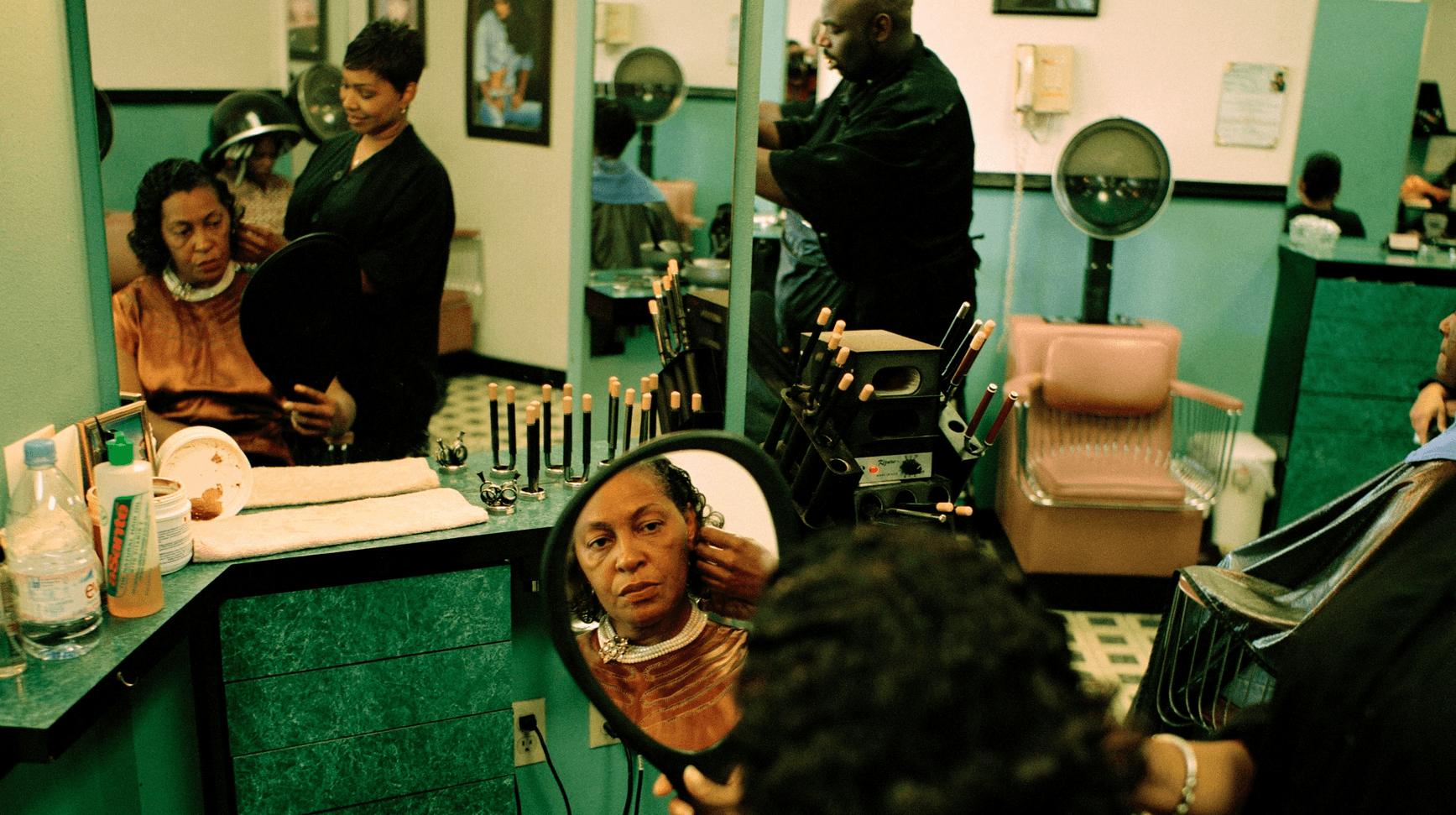
1.
Afro-descendant Struggles for Collective Rights in Latin America: Between Race and Culture
Juliet Hooker
2.
Book Review: Contentious Curricula: Afrocentrism and Creationism in American Public Schools by Amy J. Binder
Jane Anna Gordon
3.
Book Review: Crossing Waters, Crossing Worlds: The African Diaspora in Indian Country edited by Tiya Miles and Sharon Holland Durham
LaRose Davis
4.
Book Review: Private Lives, Proper Relations: Regulating Black Intimacy by Candice M. Jenkins
Susana M. Morris
5.
Book Review: Your Average Nigga: Performing Race Literacy and Masculinity by Vershawn Ashanti Young
Kristen Hodge
6.
Call For Papers: Rudolph Fisher, Luminary of the Harlem Renaissance
SOULS
10.
Multiethnic Nations and Cultural Citizenship: Proposals from the Afro-Descendant Movement in Ecuador
Jhon Antón Sánchez
11.
Should Babylon Release The Cure?: True Reflections on Freedom, Art, Prison, and the “Reggae-Star Rapist”
Baz Dreisinger
12.
The Black Movement in Panamá: A Historical and Political Interpretation, 1994–2004
George Priestley & Alberto Barrow
13.
The Liberation Imperative of Black Genocide: Blueprints from the African Diaspora in the Americas
João H. Costa Vargas